

Sodium hypochlorite solution is a powerful compound known for its disinfectant and bleaching properties. It is widely used in various applications, from household cleaning to industrial processes, making it an essential chemical in modern society. Understanding its characteristics, production, and safe handling is crucial for effective use.
The solution is created by combining chlorine with sodium hydroxide, resulting in a versatile agent that can combat pathogens and remove stains. Its benefits are significant, especially in healthcare and sanitation, but it also requires careful management due to its reactive nature and potential health risks.
By learning about sodium hypochlorite, readers can appreciate its role in daily life and industrial settings. With the right knowledge, they can utilize this chemical safely and effectively for various applications.
Key Takeaways
- Sodium hypochlorite is effective for disinfection and stain removal.
- Proper storage and handling are needed to ensure safety.
- Understanding its environmental impact is essential for responsible use.
Chemical Properties of Sodium Hypochlorite
Sodium hypochlorite has distinct chemical properties that make it an effective compound for various applications. This section discusses its molecular structure, physical characteristics, and stability along with reactivity.
Molecular Formula and Structure
Sodium hypochlorite is represented by the molecular formula NaClO. The compound consists of sodium ions (Na⁺) and hypochlorite ions (OCl⁻). The sodium ion is a cation while the hypochlorite forms the anion. This combination results in a polar molecule that has unique bonding characteristics.
The hypochlorite ion features one oxygen atom covalently bonded to a chlorine atom. The oxygen atom carries a negative charge, causing the compound to act as a strong oxidizer. Its structure contributes to its behavior as a disinfectant and bleaching agent.
Physical Characteristics
Sodium hypochlorite typically appears as a pale greenish-yellow liquid. In its commercial form, it is often found in a dilute solution, generally containing about 5-6% sodium hypochlorite by volume. This solution can be corrosive, requiring careful handling.
The compound has a boiling point of 101 °C (214 °F) and a density of around 1.07 g/cm³. Sodium hypochlorite is soluble in water, which makes it easy to use in various applications such as cleaning and disinfection. Its distinct color indicates the presence of chlorine, which plays a role in its functionality.
Stability and Reactivity
Sodium hypochlorite is an unstable compound that can decompose, especially when exposed to light, heat, or acidic conditions. This decomposition can produce harmful gases like chlorine, which can be toxic.
The compound acts as a strong oxidizing agent and can react with acids, leading to the release of chlorine gas. This reactivity is crucial for its use in applications that require powerful cleaning and bleaching properties.
Understanding the stability and reactivity of sodium hypochlorite is vital for safe handling and effective usage, especially in industrial settings.
Production and Synthesis
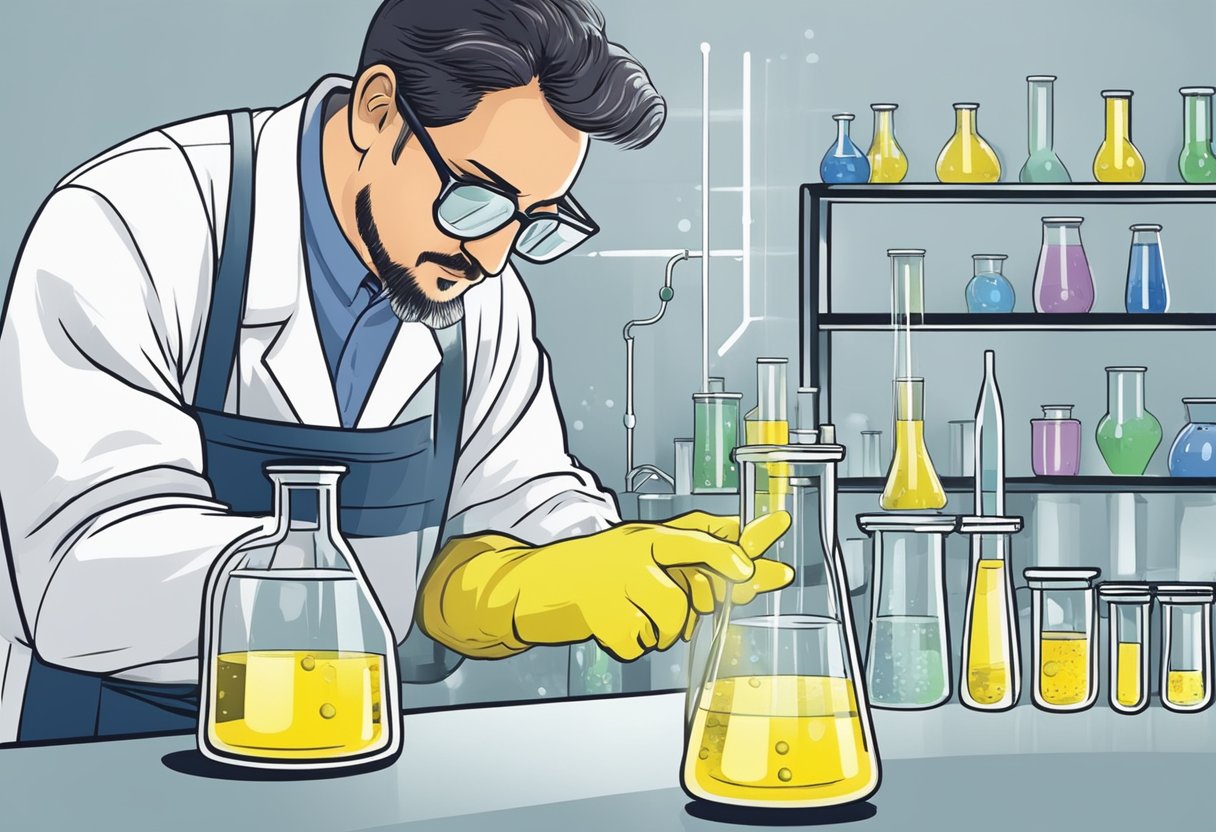
Sodium hypochlorite is produced using various methods that are important for its applications. The production can occur on an industrial scale, as well as in laboratory environments. Each method has its unique processes and benefits.
Industrial Manufacturing Processes
In industrial settings, sodium hypochlorite is commonly produced through the electrolysis of sodium chloride (common table salt) solutions. This process creates both chlorine gas and sodium hydroxide, which are then combined in a reaction to form sodium hypochlorite.
The main steps include:
- Electrolysis: Sodium chloride and water are electrolyzed to produce chlorine, sodium hydroxide, and hydrogen gas.
- Chemical Reaction: Chlorine gas is reacted with sodium hydroxide to produce sodium hypochlorite and sodium chloride, following this equation:
Cl2 + 2NaOH → NaOCl + NaCl + H2O.
This method allows for continuous production and is cost-effective for large quantities.
Laboratory Methods
In laboratory settings, sodium hypochlorite can be synthesized using simpler and smaller scale reactions. A common method involves mixing sodium hydroxide with chlorine gas.
The process includes:
- Preparation: A dilute solution of sodium hydroxide is prepared.
- Chlorination: Chlorine gas is bubbled through the sodium hydroxide solution, which leads to the formation of sodium hypochlorite. The equation for this reaction is similar to the industrial method:
Cl2 + 2NaOH → NaOCl + NaCl + H2O.
This method is useful for producing smaller amounts and allows for easy control over the reaction conditions.
Applications of Sodium Hypochlorite
Sodium hypochlorite has a wide range of applications across various industries. Its properties make it valuable in disinfection, water treatment, and more. Below are key areas where sodium hypochlorite is commonly used.
Disinfection and Sanitation
Sodium hypochlorite is widely recognized for its disinfecting abilities. It is often used in healthcare settings to clean surfaces and equipment. A typical concentration used for disinfection is 0.1% to 0.5%. This strong disinfectant is effective against bacteria, viruses, and fungi.
- Cleaning surfaces: It can be mixed with water and used to wipe down counters and other surfaces.
- Medical instruments: It is commonly used to sanitize tools and surgical equipment.
Due to its powerful properties, sodium hypochlorite is essential for maintaining hygiene in various environments, including hospitals and kitchens.
Bleaching Agent
Sodium hypochlorite serves as a major bleaching agent in the textile and paper industries. It helps to remove color from materials effectively. Typically used in a concentration of about 5% to 15%, it breaks down dye molecules.
- Textile industry: It is used to bleach fabrics and improve brightness.
- Paper industry: It helps in whitening paper products before they are processed further.
This application is crucial for manufacturers looking to produce bright, high-quality goods.
Water Treatment
In water treatment, sodium hypochlorite plays a vital role in purifying drinking water. It removes harmful pathogens and ensures safe consumption. Adding 2 to 4 drops of a 2.5% sodium hypochlorite solution per liter of water is a common practice.
- Pathogen elimination: It effectively kills bacteria and viruses in water.
- Odor and taste improvement: It helps eliminate unpleasant tastes and smells in treated water.
This application is significant in municipal water systems and private water sources, providing clean water to communities.
Endodontics in Dentistry
Sodium hypochlorite is essential in endodontics, particularly during root canal treatments. It is used for cleaning and disinfecting the root canal system. Typically used in a concentration of 1% to 5%, it helps remove debris and bacteria.
- Bacterial removal: It aids in eliminating residual bacteria from root canals.
- Dissolving organic material: It breaks down organic tissue within infected canals, allowing for effective cleaning.
Its use in dentistry highlights sodium hypochlorite’s versatility and importance across different fields, ensuring patient safety and treatment effectiveness.
Health and Safety Considerations
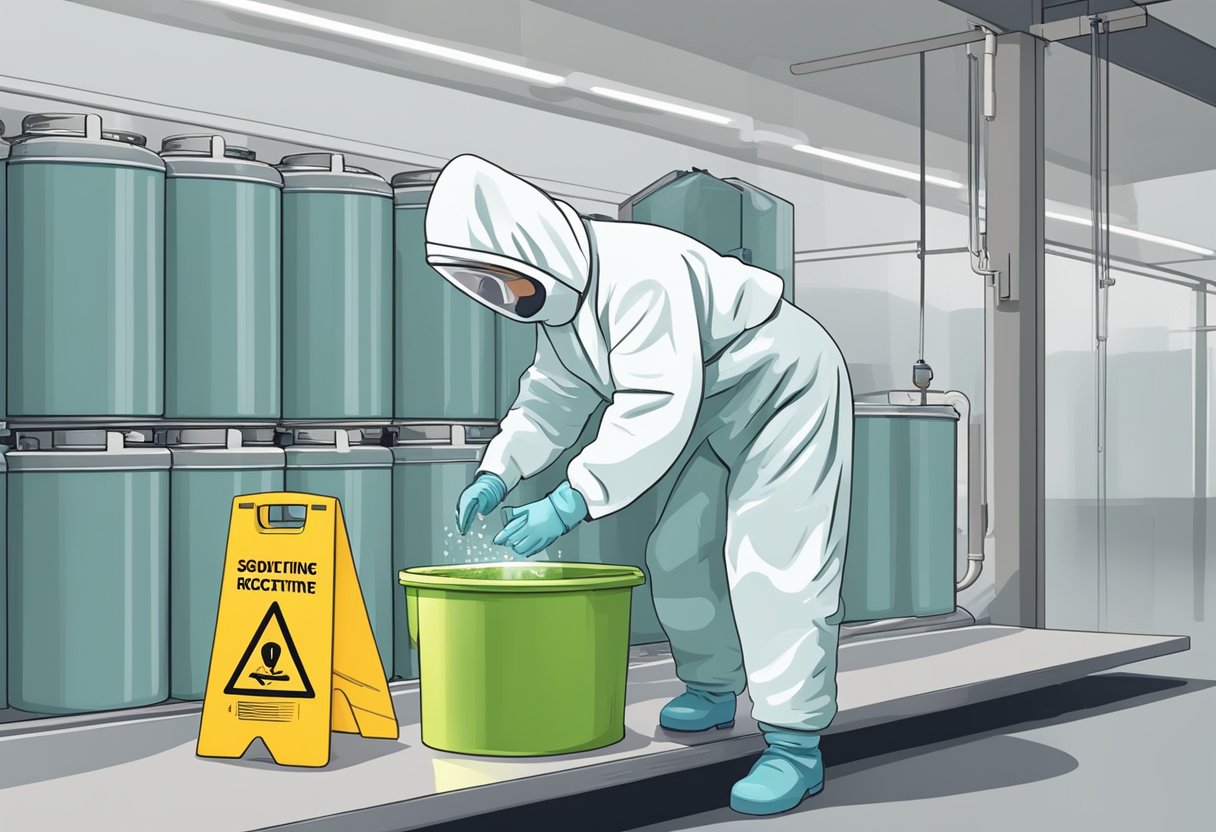
Sodium hypochlorite solution requires careful handling and awareness of potential risks. Proper storage and personal protective equipment are crucial for safety. Understanding exposure risks and first aid measures helps ensure a safer environment when using this chemical.
Handling and Storage
When handling sodium hypochlorite, it is essential to follow safety guidelines. This chemical should be stored in a cool, dry place away from sunlight to prevent decomposition.
Containers must be tightly sealed to avoid leaks and labeled clearly to indicate contents and hazards.
Incompatible materials, such as acids and ammonia, should be stored separately to prevent dangerous reactions. Regular inspections of storage areas help identify any spills or damage to containers.
Exposure Risks and First Aid Measures
Exposure to sodium hypochlorite can cause irritation and damage. Skin contact may lead to burns, while inhalation of vapors can irritate the respiratory system. Eye contact can cause severe irritation or damage.
If skin contact occurs, the affected area should be rinsed with plenty of water for at least 15 minutes. In case of eye exposure, flushing with water is critical, and medical attention should be sought immediately.
For inhalation issues, moving the person to fresh air is necessary. If symptoms persist, seek medical assistance promptly. It is vital to familiarize oneself with these procedures to ensure an effective response.
Personal Protective Equipment
Using appropriate personal protective equipment (PPE) is essential when working with sodium hypochlorite.
Recommended PPE includes:
- Safety goggles to protect the eyes
- Gloves, preferably made from nitrile or rubber, to shield the skin
- Aprons to protect clothing and skin from splashes
- Respirators in poorly ventilated areas to prevent inhalation of harmful vapors
Regular training on how to use and maintain PPE is crucial. Properly fitted equipment enhances protection and reduces the risk of exposure.
Environmental Impact

Sodium hypochlorite solutions can affect the environment in various ways. Two key areas to consider are ecotoxicology, which examines the impact on living organisms, and waste disposal guidelines that ensure safe management of this chemical.
Ecotoxicology
Sodium hypochlorite is known to have toxic effects on aquatic life. When released into water systems, it can harm fish and other organisms. The chemical can disrupt their respiratory systems and affect growth and reproduction.
Studies indicate that concentrations exceeding certain limits can lead to significant mortality rates in sensitive species. It is crucial to monitor levels and prevent spills or runoff during use.
Common indicators of toxicity include:
- Reduced biodiversity
- Impaired reproductive success
- Altered behavior in fish
Understanding these effects helps in developing effective strategies to mitigate harm to ecosystems.
Waste Disposal Guidelines
Proper disposal of sodium hypochlorite is essential to minimize environmental risks. Disposal methods must comply with local regulations and should not involve direct dumping into water sources.
Guidelines for disposal include:
- Neutralization: This process involves adding specific substances to render sodium hypochlorite harmless.
- Dilution: Mixing the solution with large volumes of water can reduce its concentration, but care is still needed.
- Authorized disposal: Use facilities certified to handle hazardous materials.
Always label and handle waste containers correctly. Following these guidelines ensures safe management and helps protect the environment from harmful impacts.
Regulatory and Compliance Standards
Sodium hypochlorite solutions are subject to numerous regulatory and compliance standards to ensure safety and effectiveness. Key organizations such as OSHA and the EPA provide guidelines that govern its use in various industries.
OSHA Regulations
The Occupational Safety and Health Administration (OSHA) establishes regulations for the handling of sodium hypochlorite, primarily focusing on workplace safety. Employers must ensure proper labeling and hazard communication regarding the chemical’s risks.
Key requirements include:
- Material Safety Data Sheets (MSDS): These documents outline hazards and safe handling practices.
- Employee Training: Workers must receive training on proper use and emergency procedures.
- Personal Protective Equipment (PPE): OSHA mandates that appropriate PPE be available, including gloves and eye protection, to prevent exposure.
Following OSHA regulations helps minimize workplace accidents and ensures safe handling practices for sodium hypochlorite.
EPA and Environmental Guidelines
The Environmental Protection Agency (EPA) oversees the environmental impact of sodium hypochlorite. It is classified as a pesticide and requires registration under specific guidelines.
Relevant points include:
- Registration: Sodium hypochlorite must be registered with the EPA before use as a disinfectant or pesticide.
- Environmental Impact Assessment: Manufacturers must provide data on potential environmental effects.
- Labeling Requirements: Products must include labels that disclose information on safe usage, risks, and disposal methods.
Adhering to EPA guidelines ensures that sodium hypochlorite is used safely, protecting both human health and the environment.
Storage and Stability

Proper storage and stability are vital for maintaining the effectiveness and safety of sodium hypochlorite solutions. Understanding optimal conditions and recognizing factors that affect shelf life are crucial for safe handling.
Optimal Storage Conditions
Sodium hypochlorite should be stored in a cool, dry place, away from direct sunlight. Ideal temperatures range from 50°F to 70°F (10°C to 21°C). Exposure to heat or light can accelerate degradation.
Containers made of high-density polyethylene (HDPE) or glass are recommended. These materials prevent chemical reactions that can weaken the solution. It is essential to keep lids tightly closed to minimize evaporation and contamination.
Keeping sodium hypochlorite away from incompatible substances, such as acids or ammonia, is critical. Mixing with these can lead to hazardous reactions or release harmful gases.
Shelf Life and Decomposition
The shelf life of sodium hypochlorite solutions varies, commonly lasting between 6 to 12 months. Over time, solutions can decompose, reducing their effectiveness as a disinfectant. Factors like temperature and light exposure can accelerate this process.
As sodium hypochlorite breaks down, it loses available chlorine, which is key for its disinfecting properties. Regularly checking the concentration is advisable, especially for long-term storage.
To ensure maximum effectiveness, use sodium hypochlorite before the expiration date. Visual signs of decomposition, such as color change or a strong odor, indicate that the solution is no longer stable.
Analytical Methods
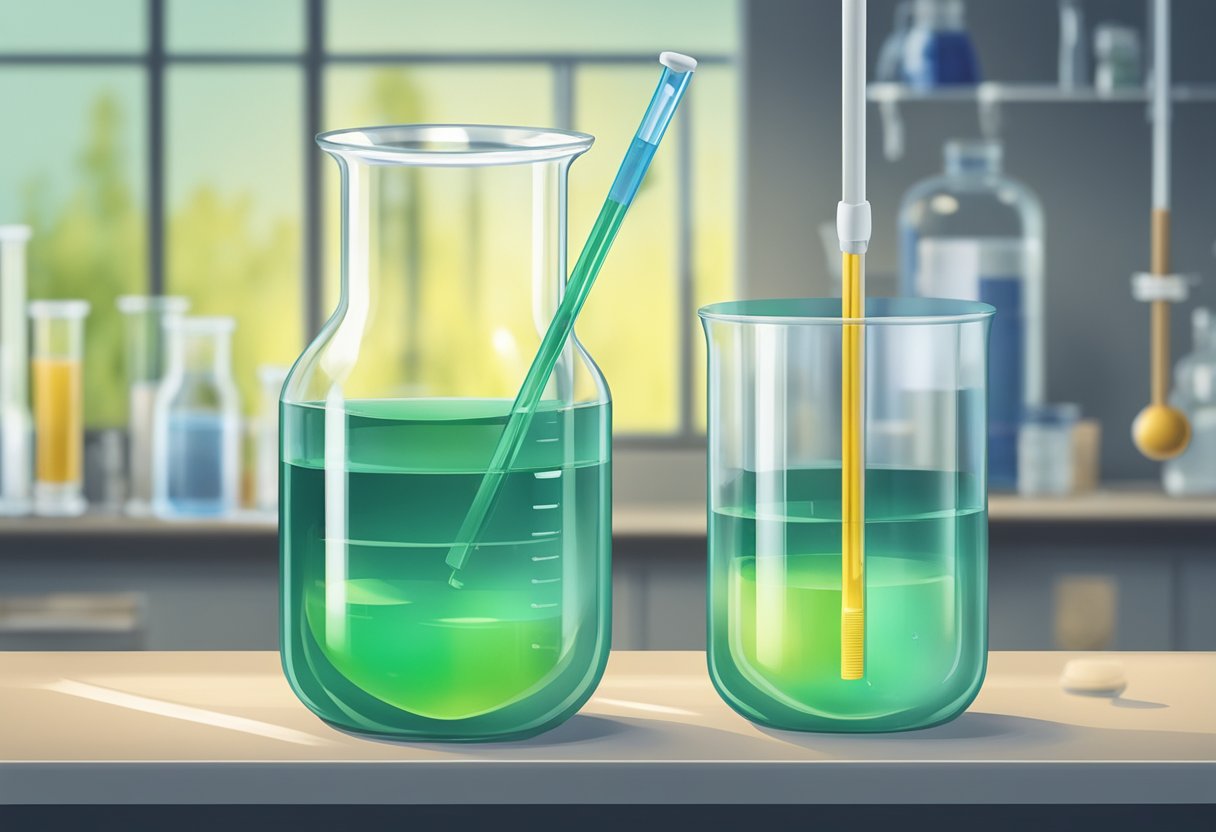
Analytical methods for sodium hypochlorite solution are essential for accurate measurement and quality assurance. These methods include quantitative analysis and quality control procedures that ensure the efficacy and safety of the solution.
Quantitative Analysis
Quantitative analysis is crucial for determining the concentration of sodium hypochlorite in a solution. Common methods include titration, spectrophotometry, and chromatography.
Titration involves adding a reagent to the sample until a reaction endpoint is reached, which allows for the calculation of sodium hypochlorite concentration. For example, potassium iodide can be added to form iodine, which is then titrated using sodium thiosulfate.
Spectrophotometry measures light absorbance at specific wavelengths to determine concentration through Beer’s law. This method offers a rapid analysis and can be linked to online monitoring systems.
Chromatography separates components of the solution, providing detailed quantitative data. Each of these methods should follow established protocols to ensure reliability.
Quality Control Procedures
Quality control procedures ensure that sodium hypochlorite solutions meet safety and efficacy standards. These procedures involve sampling, testing, and documentation.
First, representative samples must be collected according to standard methods. It is essential to follow guidelines such as those in the Sodium Hypochlorite Testing Methods to maintain sample integrity.
Testing follows specific protocols, such as those outlined in the USP Monographs, focusing on factors like concentration and purity. Regular audits of procedures ensure compliance and identify areas for improvement.
Documentation of all procedures and results is vital for traceability and regulatory compliance. Effective quality control helps prevent deviations that could lead to safety concerns.
Technological Developments
Recent advancements in sodium hypochlorite technology have enhanced its production and application, increasing efficiency and safety. These developments have made significant impacts in various industries, providing improved solutions for wastewater treatment and sanitation.
Advancements in Production Techniques
Sodium hypochlorite is now often produced using innovative methods like membrane electrolyzers. These devices operate without harmful materials such as mercury or asbestos, making the production process safer and more environmentally friendly.
The use of in situ generation allows facilities to produce sodium hypochlorite on-site. This reduces transportation risks and improves freshness, which is critical for effectiveness.
Furthermore, modern manufacturing facilities can generate sodium hypochlorite solutions with lighter and cheaper raw materials. The overall investment costs have decreased, while operating costs remain low due to energy-efficient technology.