
Zinc-manganese batteries have been a reliable power source for many everyday devices. A key component in these batteries is solid zinc chloride, which serves as an electrolyte and plays a significant role in their overall performance. The use of solid zinc chloride enhances the conductivity and efficiency of zinc-manganese batteries, making them an attractive option for both consumer electronics and larger energy storage systems.

solid zinc chloride
Incorporating solid zinc chloride leads to improved ion transfer, which helps maintain battery stability over time. This is particularly important as users seek longer-lasting solutions in a world that relies heavily on portable power. The shift towards solid electrolytes, like zinc chloride, also aligns with the growing demand for safer and more environmentally friendly battery technologies.
As researchers continue to explore the full potential of zinc-manganese batteries, understanding the role of solid zinc chloride will reveal deeper insights into future energy solutions. The advancements in this area could pave the way for innovations that meet the rising energy demands of modern society.
Composition and Properties of Solid Zinc Chloride

solid zinc chloride Zinc-manganese dry cell
Solid zinc chloride plays a crucial role in various applications, including its use in zinc-manganese batteries. Understanding its composition and properties is essential to grasping its functionality in these systems.
Chemical Structure and Formula
Zinc chloride has a simple yet significant chemical formula, represented as ZnCl2. This compound consists of one zinc atom bonded to two chlorine atoms. The bonding is ionic, which contributes to its characteristic properties.
In solid form, zinc chloride crystallizes in a tetrahedral geometry. The structure allows for efficient packing and stability. The ionic bonds create a strong lattice, leading to its useful characteristics in various applications, especially as an electrolyte in batteries.
Physical Characteristics
Zinc chloride appears as a white, crystalline solid or powder. It is often hygroscopic, meaning it readily absorbs moisture from the environment. This property can influence its handling and storage conditions.
The melting point of solid zinc chloride is around 283°C, indicating its thermal stability. When exposed to elevated temperatures, it tends to decompose rather than melt. Its high solubility in water enhances its usability in various chemical processes and applications.
Solubility and Hygroscopic Nature
Zinc chloride’s solubility in water is notable, reaching approximately 432 g/L at room temperature. This high solubility makes it suitable for use in solutions and electrolytes.
As a hygroscopic material, zinc chloride can attract and retain moisture. This quality is vital when considering its storage requirements. Proper sealing and protection from humidity are necessary to maintain its state.
In addition, the compound can form various hydrates, such as ZnCl2·2H2O. The hydrated forms play a role in its applications, particularly in battery technology. Understanding these properties aids in its effective usage in different chemical environments.
Application in Zinc-Manganese Batteries
Solid Zinc Chloride plays a crucial role in the performance and efficiency of zinc-manganese batteries. It serves as an electrolyte that enhances ion conductivity, which is essential for battery operation. The following points highlight its significant contributions and benefits within these batteries.
Role as an Electrolyte
Zinc Chloride acts as an effective electrolyte in zinc-manganese batteries. It provides a medium for ion transport between the anode and cathode. The presence of zinc ions allows for efficient charge transfer, which is vital for maintaining battery efficiency.
This electrolyte supports stable operation during discharge and charge cycles. When combined with manganese dioxide, it helps facilitate the necessary chemical reactions. This combination enables better energy storage and retrieval, making it a suitable choice for grid-scale applications.
Advantages in Battery Performance
The use of solid zinc chloride brings several advantages to zinc-manganese batteries. First, it enhances the overall ionic conductivity, which directly improves the power output. Higher conductivity translates to faster charging and discharging rates.
Additionally, zinc chloride contributes to longer cycle life. Batteries using this electrolyte tend to have improved longevity due to reduced corrosion at the anode. This stability leads to more reliable performance over time, minimizing maintenance and replacement costs.
Comparison with Other Electrolytes
When compared to traditional electrolytes, solid zinc chloride shows notable benefits. For instance, many conventional electrolytes can suffer from low conductivity or stability issues. In contrast, zinc chloride provides a more robust environment for ion flow.
Furthermore, zinc chloride has a lower environmental impact. It is generally safer and more sustainable than organic solvents commonly used in other battery types. This quality positions zinc-manganese batteries with zinc chloride as a promising option for greener energy solutions.
Frequently Asked Questions
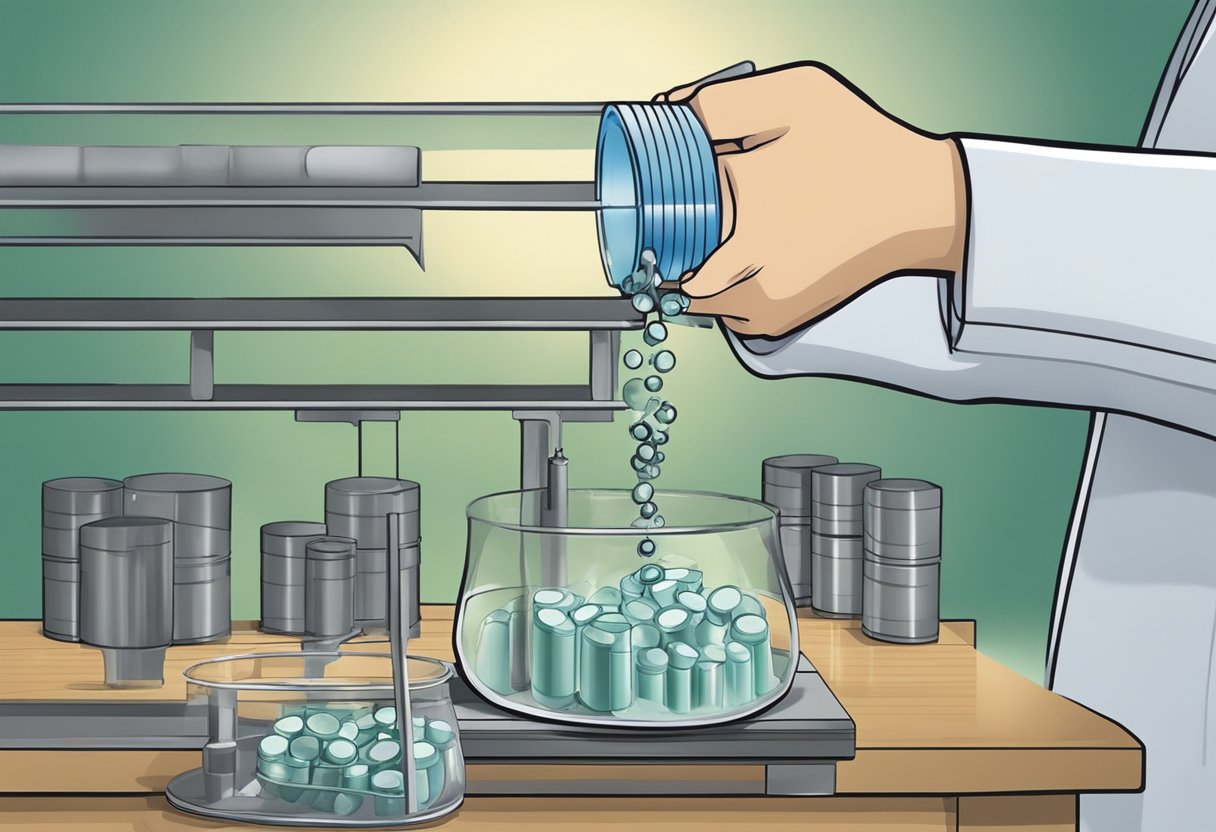
This section addresses common queries related to zinc-manganese dioxide batteries and their components. It covers the chemistry, differences from other battery types, and their applications.
What is the chemical reaction involved in a zinc-manganese dioxide battery?
In a zinc-manganese dioxide battery, the main chemical reaction occurs between zinc at the anode and manganese dioxide at the cathode. When discharging, zinc oxidizes, releasing electrons, while manganese dioxide is reduced, allowing the flow of current.
What are the key differences between zinc chloride batteries and alkaline batteries?
Zinc chloride batteries use a zinc chloride solution as an electrolyte, providing higher current and energy density than typical zinc carbon batteries. Alkaline batteries, on the other hand, utilize potassium hydroxide, which allows for longer shelf life and better performance in high-drain applications.
How does zinc chloride function within a zinc-carbon battery?
In a zinc-carbon battery, zinc chloride serves as the electrolyte, improving the battery’s performance compared to standard zinc carbon batteries. It enhances the reaction efficiency, resulting in higher output voltage and extended battery life.
What are the main disadvantages of using zinc-manganese dioxide batteries?
Zinc-manganese dioxide batteries have some limitations, such as lower cycle life compared to lithium-ion batteries. They can also be sensitive to temperature and may have diminished performance in extreme conditions.
In what applications are zinc carbon batteries most commonly used?
Zinc carbon batteries are commonly used in low-drain devices such as remote controls, clocks, and flashlights. They provide an economical option for applications that do not require high energy output or long-lasting power.
How do zinc chloride and zinc carbon batteries differ in construction and performance?
Zinc chloride batteries are constructed with a higher concentration of zinc chloride, increasing their current output and longevity. In contrast, zinc carbon batteries use a more basic carbon-zinc system, which limits their performance but makes them more cost-effective for certain applications.